
August 19th 2026
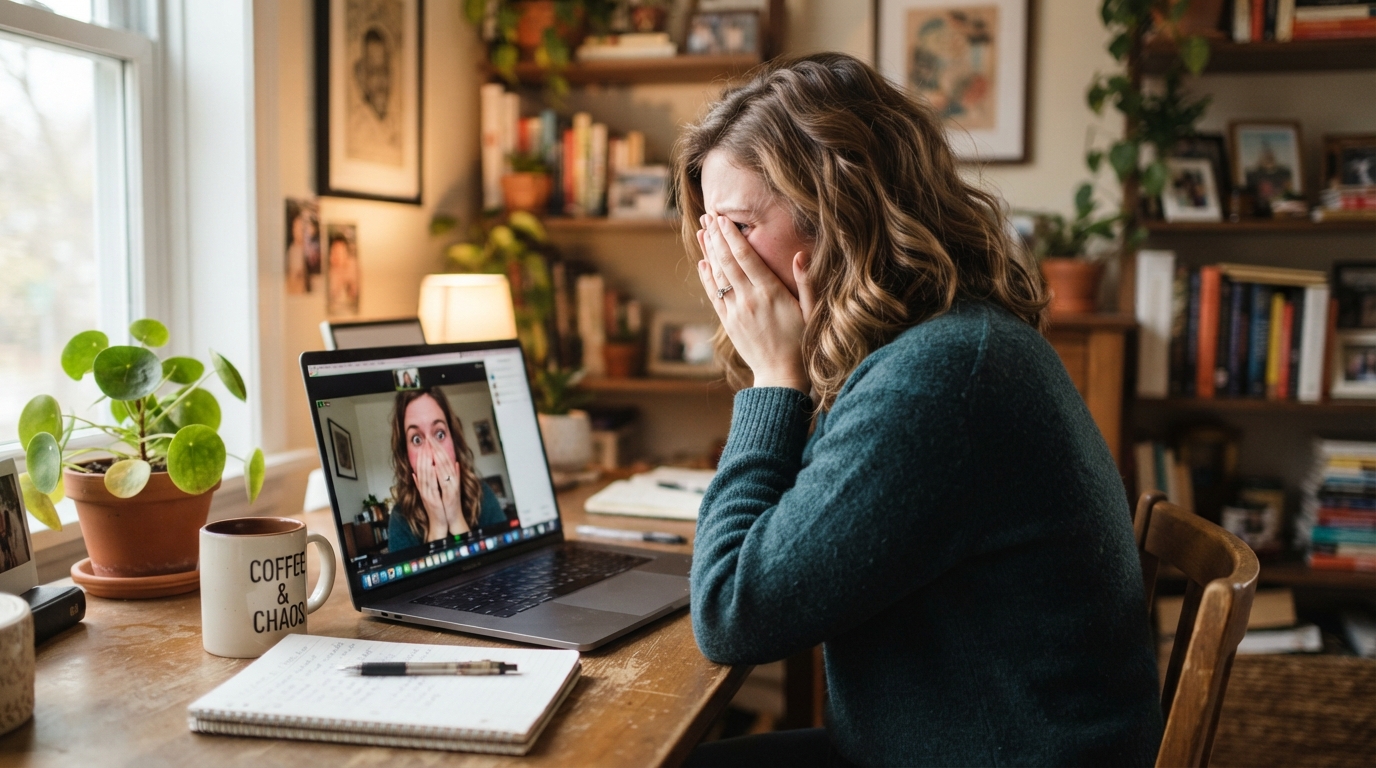
When we think of deepfake crime, we often focus on the financial loss or the political chaos. But the most painful damage is often personal. It’s the emotional and psychological toll on the victims. This is the unseen side of deepfake crime. Real people with real feelings, caught in an AI-powered nightmare.
Imagine waking up to a fabricated video of you that is being shared online. It’s a horrifying fake, designed to humiliate and destroy your reputation. It’s so realistic that your friends and family start asking if it’s true. The initial shock is followed by panic. You feel powerless. How do you fight something that isn’t real, but looks so real to everyone else?
The emotional consequences are severe. Victims report feeling:
For victims of non-consensual explicit deepfakes, the trauma is particularly profound. They are targeted, humiliated and often silenced as a reaction to the abuse. The legal system in most countries lags behind the pace of evolution of AI technology, leaving victims with few options for justice. Abusive, non-consensual content can “live” online forever, making survivorship difficult.
Deepfakes don’t just affect the direct victim. They create a ripple effect by damaging trust between people, communities and nations.
This particular kind of “trust trauma” is new to humankind, as it’s caused by a crime that targets and uses our fundamental human needs for attachment and authenticity. We’re now living in an age where seeing and hearing no longer equate to believing. This shift challenges how we interact with both people and institutions in this layer-cake of complexity.
At VerifyLabs.AI, we offer the tools to help you fight back. Our deepfake detector is a way to reclaim the truth by showing what’s real and what’s not, in real time by labelling fakes as fake. This can then be given to the relevant authorities, from school teachers to the police.
It’s an important step to a future where people don’t have to live in fear of what an algorithm might create.
February 24th 2026
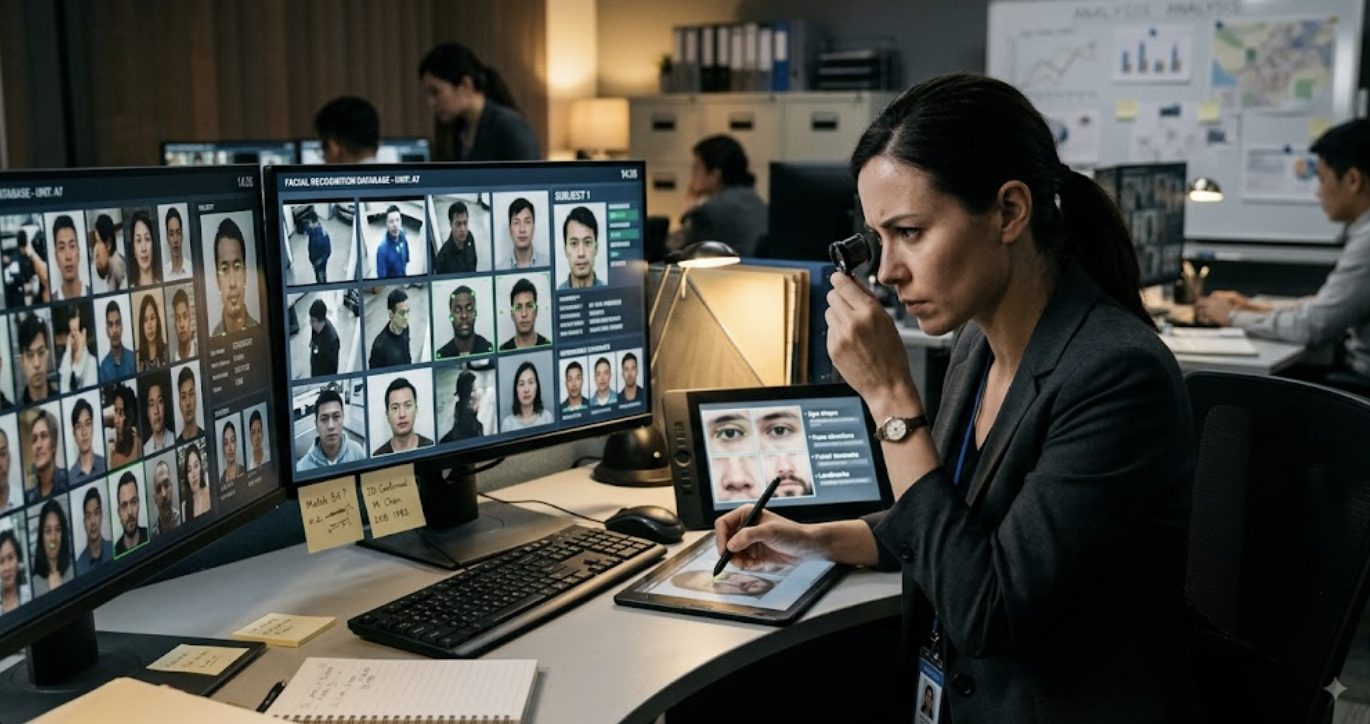
A recent study by the British Psychological Society (BPS) has tested whether individual differences in people’s facial recognition ability explain variations in telling AI from real faces.
The recent BPS study highlights two points that deserve attention beyond the headline:
The authors make a valuable contribution to cognitive science by showing that face‑identity expertise can be repurposed for deep‑fake detection, and that the “hyper‑average” signature is detectable at the algorithmic level. However, the practical message for the public is modest: even the best human detectors are only modestly above chance, and their advantage disappears when the faces become less extreme or when detection is required under time pressure.
What this means for anyone concerned about deep‑fakes—parents, students, professionals—is that relying on personal intuition or on a small cadre of experts will not provide the robustness needed in everyday life.
The phrase super‑AI‑face‑detector often conjures a plug‑and‑play shield that instantly blocks every synthetic image. In practice:
Super‑recognisers illustrate that human perceptual cues can complement algorithmic signals, but scaling that expertise to billions of users is unrealistic. The study’s “wisdom‑of‑the‑crowd” simulation shows that aggregating many highly trained observers can improve performance, yet it also underscores the cost of assembling such crowds in real time.
For parents, the most reliable safety net is early digital literacy. Children who learn to treat visual media as “claims that need evidence” are far less likely to be duped by a synthetic portrait, even if the portrait looks flawless.
