Deepfakes are proving to be tricky adversaries
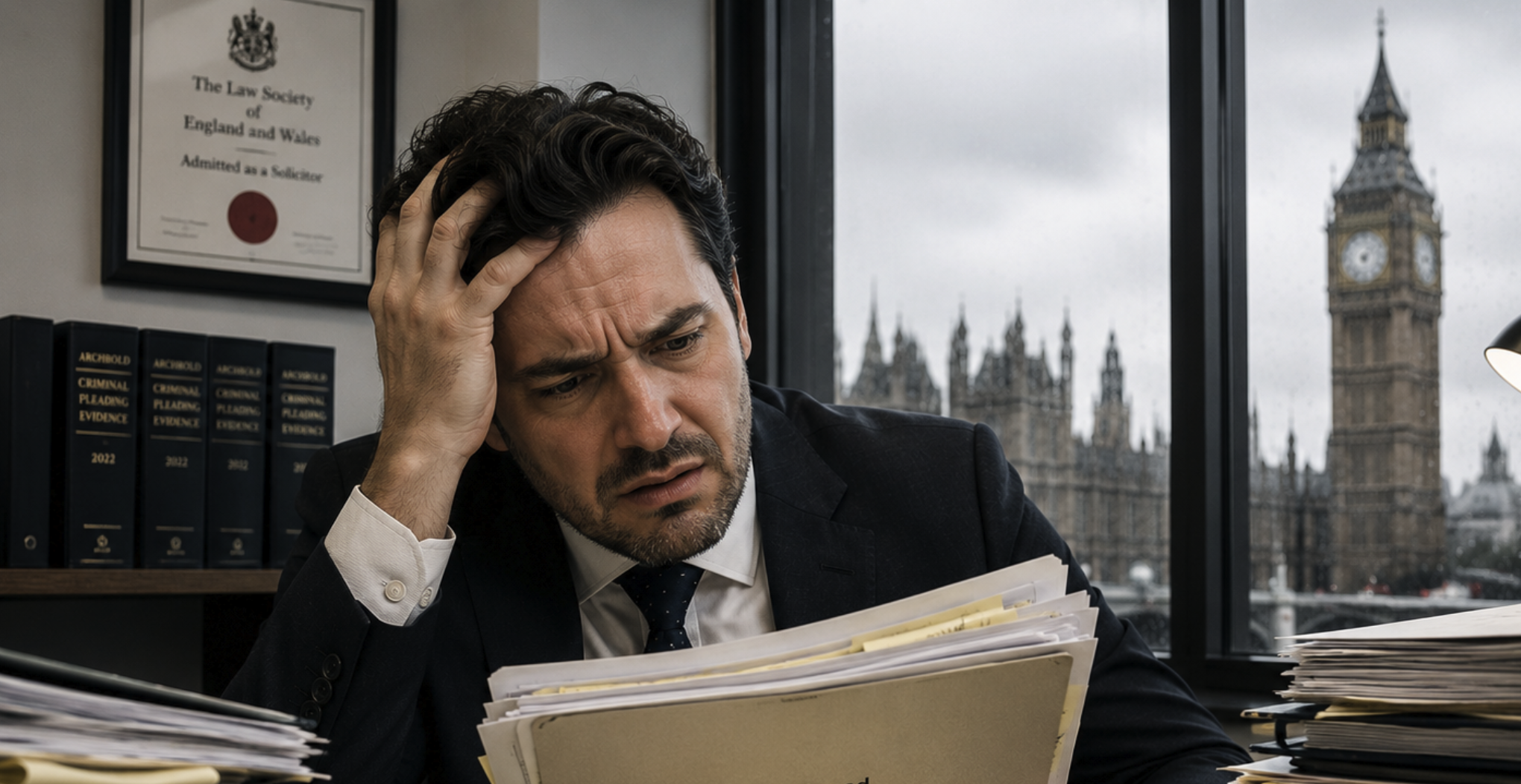
In a 2023 London High Court case, a defence lawyer argued that a surveillance video of their client was a deepfake, delaying proceedings for six weeks. The incident, though resolved in the prosecution’s favour, highlighted a pressing issue: deepfakes are complicating legal processes, from evidence authentication to contract validity. Below, we outline 10 critical facts legal professionals must grasp.
- Deepfakes cast doubt on digital evidence admissibility
Courts increasingly rely on video, audio and document evidence. But fake content—synthetic voice recordings or AI-altered images—can subvert trials. A 2023 report by the Law Society of England and Wales notes that 15% of recent cases involved deepfake-related challenges to evidence.
- Forged contracts risk invalidating legal agreements
Fraudsters use deepfake signatures, voice recordings or video approvals to create fake contracts. Last year, a UK tech startup lost £500k after a “client” submitted a deepfake video “approving” a deal that never existed.
- AI-generated testimonies challenge truth-telling
Witnesses’ credibility is now tied to proving authenticity. A deepfake audio of a witness “confessing” to perjury could derail a case. Lawyers must anticipate cross-examination questions about whether audio/video evidence is synthetic.
- Authenticating digital evidence requires specialized expertise
Traditional forensic methods (e.g., metadata checks) are insufficient. Courts now demand AI-powered analysis to detect neural network artifacts, such as inconsistent lighting in videos or unnatural vocal cadences. The International Association of Lawyers (IAAL) recommends retaining tech experts for deepfake scrutiny.
- Existing laws struggle to keep pace with deepfake misuse
Most jurisdictions lack clear regulations on deepfake creation or distribution. The UK’s Fraud Act 2006 covers deepfake fraud, but defines “false representation” ambiguously. Lawyers must navigate legal grey areas, often relying on tort or criminal law.
- Deepfake detection tools are becoming courtroom necessities
Forensic AI platforms, like VerifyLabs.AI’s legal verification suite, can analyse content for telltale signs of manipulation. In a 2023 German case, such tools proved a contract video was real, saving a firm €1.2m in damages.
- Deepfakes can manipulate witness recall
AI-generated videos of events—e.g., a crime scene or accident—may influence witnesses’ memories. A study in Nature Human Behaviour found that 30% of participants misremembered details after viewing deepfake “evidence.”
- Intellectual property disputes are expanding to include deepfakes
Who owns the rights to a deepfake video mimicking a lawyer’s face? If a deepfake is used to forge a patent application, liability is unclear. The EU’s Copyright Directive (2019) is being debated to address AI-generated content ownership.
- Cybersecurity gaps in legal tech platforms
Law firms using cloud-based case management tools face risks: deepfake files uploaded to shared drives could corrupt evidence. The Cyber Security Information Sharing Partnership (CiSP) advises firms to encrypt sensitive media and restrict upload permissions.
- Advocacy for international deepfake regulations is imperative
Deepfakes transcend borders; a fake video created in India could be used to defraud a New York law firm. The UN’s AI Working Group is drafting guidelines, but legal professionals must push for cross-jurisdictional standards to harmonize liability and prosecution.
Deepfakes aren’t just a technological challenge—they’re a legal one. For lawyers and courts, the task is twofold: to authenticate evidence rigorously and to shape laws that deter misuse.